Behind every part that ships on time and every problem that gets solved quickly, there's someone who's been doing this long enough to know what works.
At Fittings Unlimited, we know that maintaining over 35,000 SKUs and fulfilling orders efficiently doesn't happen by accident. It takes experienced people who understand that when you need a part, you usually need it yesterday. Behind every order that ships on time, there's someone making sure the right part gets to the right place without any hassle.
We sat down with 2 key members of our operations team to talk about what they do every day and how they help keep your business running smoothly.
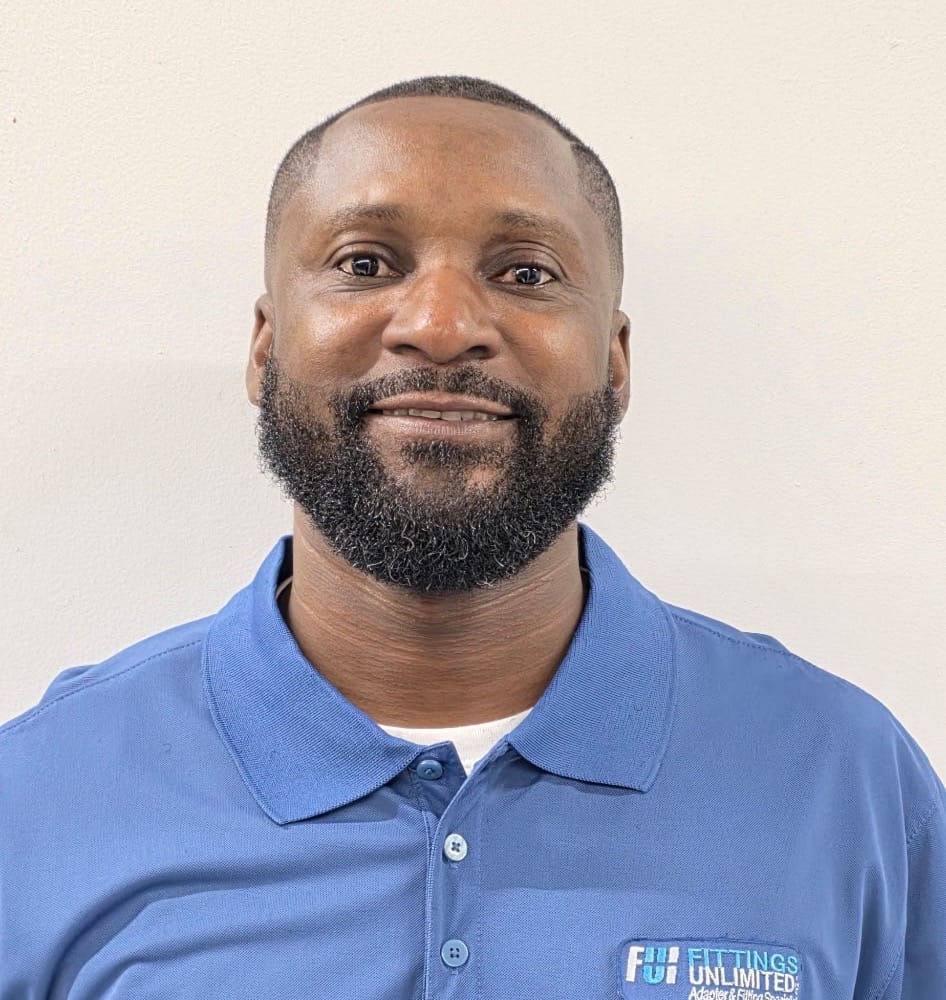
Eric Bonsu
Assistant Warehouse Manager
Tell us about your journey with Fittings Unlimited.
I started here back in 2008, so I'm coming up on 17 years now. What I'm really proud of is that I started as a picker in the warehouse and worked my way up to assistant warehouse manager. I've been involved in every part of this operation, which gives me a unique perspective on how every part of the business works together.
That's an impressive career progression. What does your role involve now?
As assistant warehouse manager, I handle daily operations at our warehouse headquartered here in Arlington, TX. Every morning I review our P21 system and coordinate order processing for our location and sometimes I provide additional support for our Georgia location. When the warehouse team arrives at 8 AM, they start pulling orders while I ensure we double-check everything, making sure that the parts are correct before they ship. On a good day we handle around 250 orders, ranging from large LTL truck loads to smaller freight shipments.
Walk us through how you manage operations on a busy day.
We follow the same routine every day, which keeps things running smoothly. I start by reviewing orders and coordinating priorities with our team. We print shipping labels, and the team begins pulling orders. After that, we double check everything to ensure the parts are correct, then package and ship. Maintaining consistency in our process is key to our success.
What's the most challenging part of managing warehouse operations?
The period from 3 to 5 PM is definitely our most intense time. Customers want their orders without delay, so we have to ensure accurate shipping to the right locations. With so many boxes moving through our facility, we must be extremely careful not to switch labels and send one customer another customer's order. We set a 3:30 PM cutoff for next-day air orders, which helps us maintain our quality standards while meeting deadlines.
How do you handle complex orders like large freight shipments?
When big orders arrive, we evaluate the box count and total weight. If an order weighs more than 600 pounds, we use LTL freight instead of UPS ground. We assign a dedicated team to handle those orders efficiently. The crucial part is properly separating shipments so when freight trucks arrive, we don't load the wrong order.
With 17 years of experience, you must know the inventory inside and out.
That's definitely an advantage of working my way up from the warehouse floor. I'm a hands-on learner, so when I started working in receiving, I gradually memorized the part numbers that came through regularly - like the 0304s and other high volume items. After handling thousands of different parts over the years, I can identify most fittings and adapters just by looking at them. That experience is invaluable when training new people and solving problems quickly.
How do you pass that knowledge on to new team members?
I support the training for our receiving staff since I know the parts so well. It's like following a manual, but you need to understand the logic behind it to make it work effectively. I always tell new employees: "Don't receive something incorrectly. The moment you make a receiving error, when orders go out later, we won't be able to find that part because it will have the wrong label." Everything starts with accurate receiving, and getting that foundation right is crucial for our entire operation.
You mentioned that you sometimes coordinate across multiple FUI locations. How does that collaboration work?
We maintain constant communication with our other warehouses. If we need to reprint an order, or if a customer adds items or changes shipping requirements, we notify the appropriate location immediately to prevent duplicate shipments. Our other locations reach out to us when they need assistance too. When items are out of stock or quantities are different than expected, we adjust the customer's order and update our inventory accordingly to ensure seamless operations.
What improvements have you seen that help operations run more efficiently?
The P21 system we're using now has made a significant difference. It makes shipping much more efficient and faster than before. Previously, we had to print packing slips separately, but now when you process a shipment, the system handles invoicing and everything else automatically. It's all integrated instead of requiring multiple separate tasks. Our shipping team has mentioned how much easier it is now - they used to handle two different processes, but now they complete everything in one step. While learning the new system required some adjustment, it has made a real difference in our overall efficiency. Our customers notice the efficiency too.
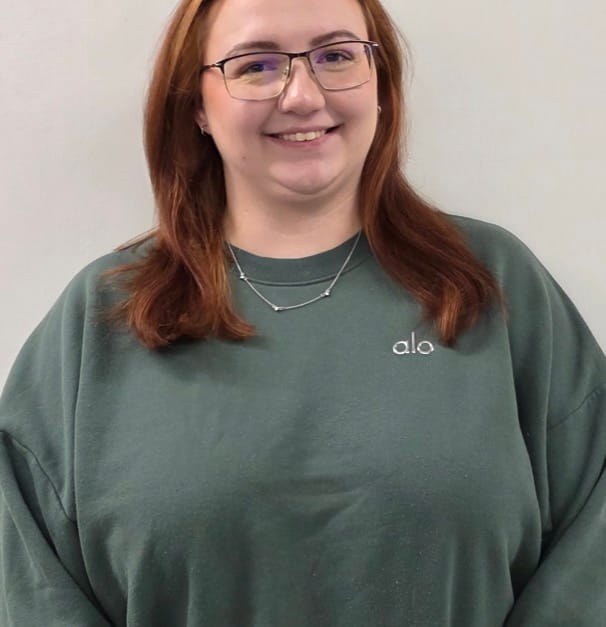
Tamara Wright
Sales Floor Lead
How long have you been with Fittings Unlimited?
I just reached my 2nd year, and it's been a great experience. There's always something new to learn in this business.
What's your role in helping customers get what they need?
I lead our 7-person sales team while also working directly with customers who need help identifying parts. I also handle data entry for orders, assist the warehouse when needed, work with walk-in customers, and keep the warehouse informed when anything changes on orders they're already processing. Plus, when people call with part numbers from other suppliers, or they have a description of what they need but aren't sure about exact specifications, I help with that as well.
That sounds like detective work. What's your approach when someone isn't sure what they need?
It really is like solving a puzzle. I ask detailed questions to narrow down the possibilities. For example, if someone says they need "an 8 to 6 fitting," I need to determine what type of threads we're dealing with: JIC, pipe thread, or universal? If it's metric, is it DIN light or DIN heavy, since those have different thread pitches? Is it a straight adapter or does it require a 90-degree or 45-degree angle? Each question helps eliminate possibilities until we find the exact match.
Can you share an example of a particularly challenging identification?
Absolutely. I had a customer looking for what they described as a "metric 16 light" fitting. When I checked our reference materials, nothing was labeled as "metric 16," but I noticed that a 16 by 1.5 thread pitch corresponded to a 10 tube size for light threading.
I called the customer back to verify the thread pitch, and once they confirmed it was 16 by 1.5, I realized we needed a 10 light, not a 16. I explained the difference between light and heavy threading, how even a small difference in thread pitch makes a huge difference for proper sealing. They'd been struggling to find it on our website because they were searching for 16 when they needed to look under 10. Once we cleared that up, finding the right part was straightforward.
How do you balance all your different responsibilities - customer service, data entry, coordinating with the warehouse?
I believe in giving everyone the attention they deserve. I don't rush through one customer's issue just to move quickly to the next person. Whether it's a customer who needs help identifying a part, someone from my sales team with a question, or the warehouse needing information about an order change, everyone receives the time needed to resolve their issue properly.
Do you develop ongoing relationships with customers?
Definitely, I've built strong relationships with several customers who feel comfortable calling me directly when they need assistance. Even when someone contacts me personally, I still manage priorities fairly. If I can't handle their request immediately, I ensure it gets forwarded to our main customer service team for prompt handling. We operate as a team here, so no customer gets overlooked.
What sets Fittings Unlimited apart in your experience?
It's our collaborative approach. If I'm unavailable, there are other team members with excellent product knowledge who can step in seamlessly. I don't work in isolation; we share knowledge with each other and coordinate with our other warehouse locations when needed. That teamwork allows us to solve problems quickly and keep customers satisfied.
Attention To Detail That Makes the Difference
Talking with Eric and Tamara reveals something important about how Fittings Unlimited operates. These aren't just people processing orders; they're problem solvers who take pride in getting things right.
When Tamara takes extra time helping a customer figure out thread specifications, or when Eric coordinates across multiple locations to prevent shipping errors, they're ensuring you get exactly what you need without delays or mistakes. Eric's 17-year journey from warehouse picker to management demonstrates the kind of experience and institutional knowledge that benefits every customer.
Technology helps, and the P21 system streamlines operations and eliminates redundant steps, but people make the real difference. When you contact Fittings Unlimited, you're speaking with professionals who know their products inside and out, who collaborate across departments to find solutions, and who use their industry knowledge to get you exactly what you need.
That's how reliable partnerships work. They're built with experienced people who care about getting things right the first time.
